
Introduction
Define the core problem first: packaging isn’t just a box, it’s a control layer. In smart logistics, that control layer connects data, motion, and safety in real time. On a typical line for ev battery packaging, operators shepherd pouches, cells, and modules with a 30–45 second tact time. Even then, a tiny rattle or ESD slip can cost thousands (and the bill that follows). One audit showed 0.6% of modules reworked due to micro-abrasion, shock, or traceability gaps—small number, big hit. So ask yourself: are we looking at the true failure points, or just the obvious ones? Look, it’s simpler than you think—and trickier. Let’s move from the surface issues to the hidden ones, and then compare what actually changes when systems evolve.
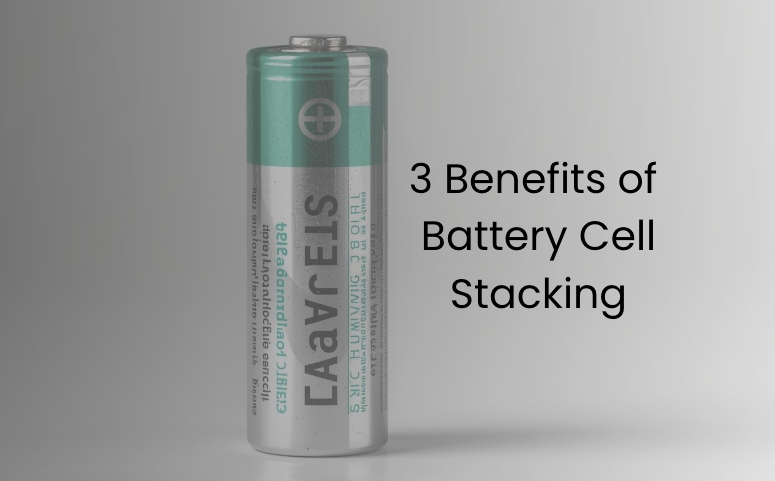
The Hidden Frictions Inside EV Battery Packaging
What are we missing?
Earlier, we talked about speed and safety trade-offs. Now, here’s the deeper layer: decision lag. In ev battery packaging, defects often start between stations—handoffs, buffers, or totes that no one “owns.” Data lives in separate logs, so alarms arrive late. Without edge computing nodes at the line, shock, tilt, and temperature signals get summarized after the fact. That’s too late for live routing. A Warehouse Management System (WMS) might know where a pallet sits, but it may not know the micro-events that happened on the way there. And Automated Guided Vehicle (AGV) fleets can meet schedules while still carrying the wrong thermal history. Sounds odd, but it happens—funny how that works, right?
The second friction is traceability drift. MES tags cells and modules, yet packaging assets—the trays, dunnage, straps, and foam—often lack the same rich IDs or sensors. When a clamp is slightly mis-torqued or a tote liner wears down, there’s no fast feedback loop to the PLC that controls conveyors or lifts. The result is not dramatic failure; it’s creep. Micro-vibration over 300 meters. ESD exposure inside a neutral-looking rack. A tote swap missed in a midnight changeover. The flaws are boring and slow. But they’re persistent. Until packaging becomes a sensing actor, not just a container, the line keeps paying a quiet tax. That’s the real cost curve people miss.
From Containers to Systems: How the Next Wave Changes the Math
Let’s compare old assumptions with new principles. Traditional packaging treats the box as a passive buffer; the new model treats it as a live node. Sensorized trays and racks feed edge computing nodes with acceleration, tilt, ESD, and humidity. Vision systems verify strap positions and foam integrity on the fly. The MES doesn’t just store history; it writes rules that auto-reroute units when a threshold triggers. Add AMR robots that reassign lanes based on live risk scores instead of static zones, and you get fewer surprises and cleaner audits. In this setup, ev battery packaging shifts from “protect during transit” to “protect, prove, and adapt.” It’s a small naming change, but a big control change—because it lets the PLC act decisively, not react slowly.
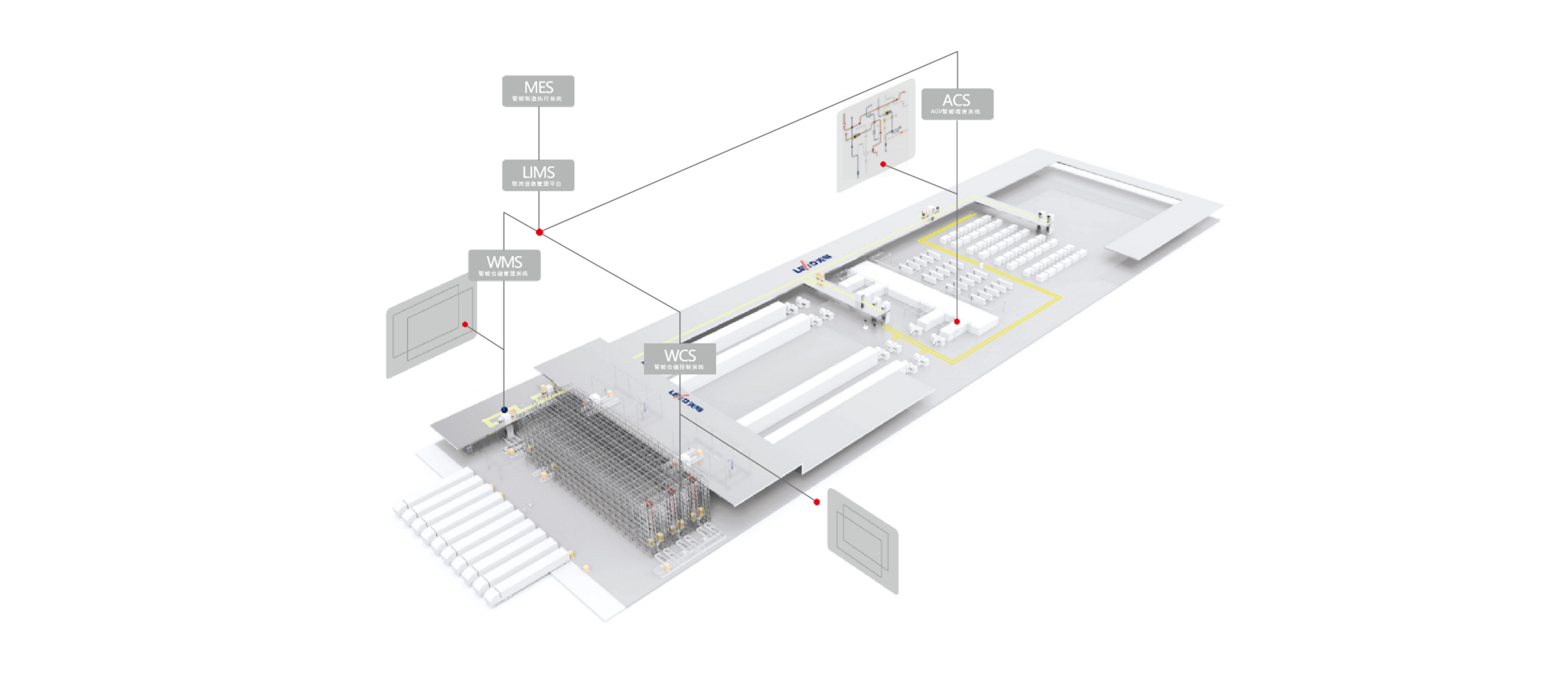
There’s also the digital twin angle. A line twin that models shock paths, fork angles, and tote fatigue lets you test re-foam intervals and strap recipes before roll-out. You no longer wait for a quarterly scrap report; you tune the parameters weekly. AMR robots compare virtual waypoints with real-time aisle traffic to avoid vibration zones near presses. Meanwhile, WMS stops being “where stuff is” and becomes “where it should go next,” with evidence attached. The practical win: fewer reworks, tighter audits, and faster release of new pack formats. And—this is the sneaky part—operators stress less, because the system tells them why a choice was made. Clarity is a safety feature.
Key takeaways so far: the gap wasn’t brute force; it was feedback speed and coverage. The remedy isn’t one gadget; it’s alignment between sensing totes, AGVs/AMRs, WMS/MES logic, and the line PLC. So, if you’re choosing solutions, weigh three things. 1) Evidence density: can each packaging unit report shock/ESD/ID without a manual scan, and can edge events reach the controller within one takt? 2) Adaptivity: can routes, buffers, and recipes shift in minutes, not days, as formats change? 3) Proof at scale: do you get end-to-end genealogy and exportable audit trails that satisfy both quality and logistics teams? Nail those, and the promise of smarter ev battery packaging stops sounding like a pitch and starts reading like a plan—because it is. For teams mapping that path, a steady, systems-first partner such as LEAD can help keep the pieces honest and coherent.a
