
A speculative lead-in: why quiet fans matter tomorrow
Imagine an evening on a screened porch where the fan is present but never heard — a soft steady breeze without the telltale motor hum or wobble. In this near-future scenario, factory-direct manufacturing refines tolerances and harmonizes motor design so fans behave like an invisible climate layer. That evolution already touches today’s market: homeowners upgrading pergolas and outdoor rooms increasingly search for outdoor patio ceiling fans that blend quiet performance with integrated lighting. This piece explores how design, production, and testing converge to prevent hum and vibration — and what to look for when choosing wet-rated ceiling fans with lights for real outdoor conditions.
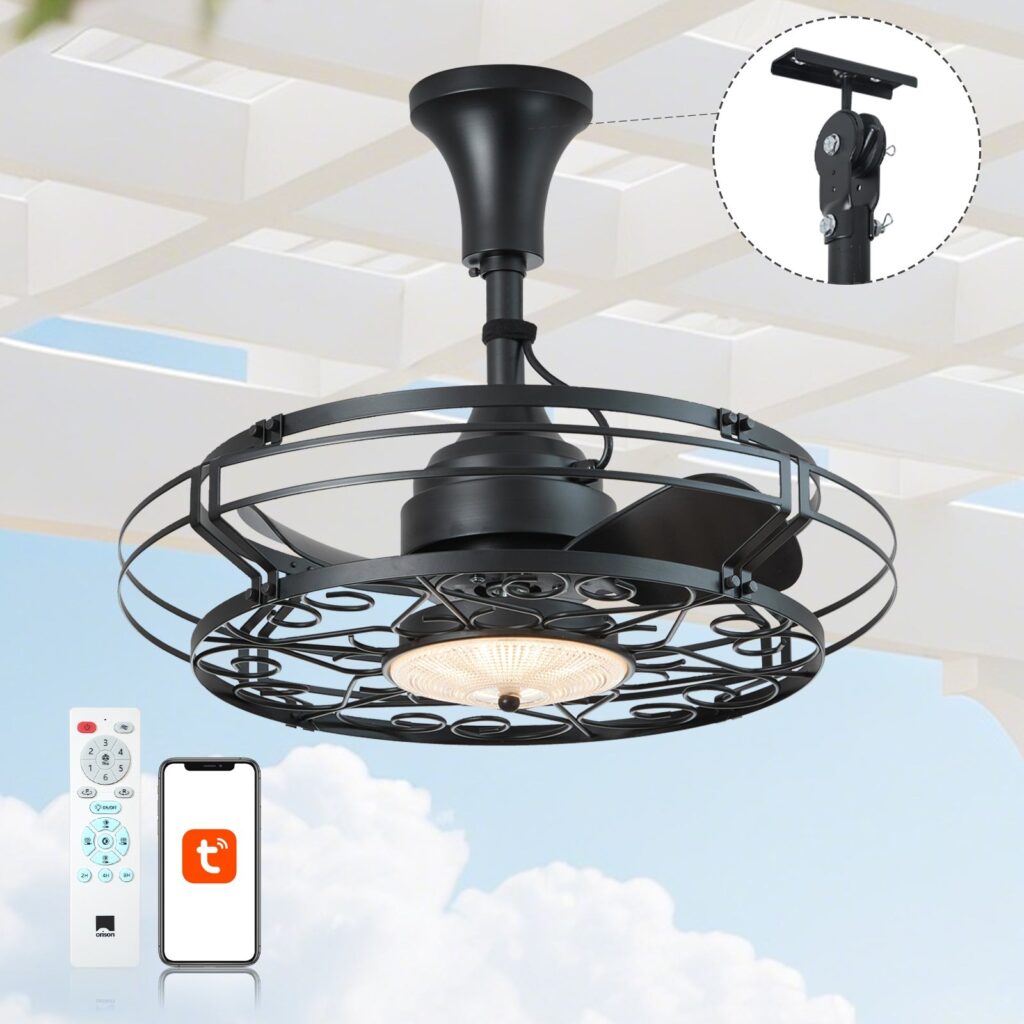
Mechanical truths: why motor hum and vibration persist
At the heart of the problem are a few repeatable causes. Imbalanced blades generate vibration; loose tolerances in the motor and bearing assembly produce motor hum; inadequate mounting hardware transfers that vibration into the structure. Industry terms to watch for include blade pitch, sweep diameter, and CFM (airflow). Each factor interacts: a higher blade pitch can increase CFM but also amplify imbalance if blades aren’t matched precisely. The speculative leap is simple — reduce the sources of excitations at manufacture and you reduce audible artifacts in the field.
Factory-direct fixes: how precision and process silence the fan
Factory-direct models can implement several interventions more readily than commodity lines. Tightened shaft tolerances, improved bearing isolation, and dynamic balancing of blade sets are manufacturing steps that materially lower vibration and audible order. Smart motor control (variable-speed drives with soft-start profiles) reduces low-frequency hum by eliminating abrupt torque transitions. Add in acoustic dampening inside the motor housing and you get a much quieter signature overall. These are engineering choices that scale — when a factory owns the tooling they can mandate consistent blade sets and QA protocols at scale.
Outdoor realities: wet rating, storms, and performance under duress
Design decisions for outdoors must include wet rating and corrosion resistance. A fan that’s quiet indoors can seize or rattle when exposed to humidity and salt. Hurricane Sandy and other coastal storms taught builders and product designers that outdoor fixtures need test-proven resilience; wet-rated components and sealed motor housings keep performance steady despite exposure. When shopping, look for explicit wet rating information and corrosion-rated fasteners. Also evaluate the integrated light’s thermal management — LEDs trapped in a compromised housing can heat the motor and change balance over time.
Testing, certification, and acceptance criteria — a future-ready checklist
To ensure a fan remains silent in situ, require these acceptance steps from a supplier: dynamic balance reports for blade sets, vibration readings at multiple RPMs, and sound-pressure-level (SPL) measurements in dB(A). Field verification with the actual mount — pergola beam, soffit, or gazebo — matters because mounting stiffness changes transmitted vibration. A factory-direct partner can supply these test artefacts and run accelerated corrosion cycles to certify wet-rated ceiling fans with lights for long-term quiet operation.
Common mistakes and how to avoid them
Buyers often prioritize style over specification. That creates surprises: a trendy farmhouse blade profile may look right but has the wrong sweep diameter for adequate CFM, causing the motor to labor and buzz. Another common mistake is assuming all damp-rated fans are the same — wet rating is different and requires specific sealing and fasteners. —And yes, tighter tolerances cost more, but they prevent callbacks and noisy returns.
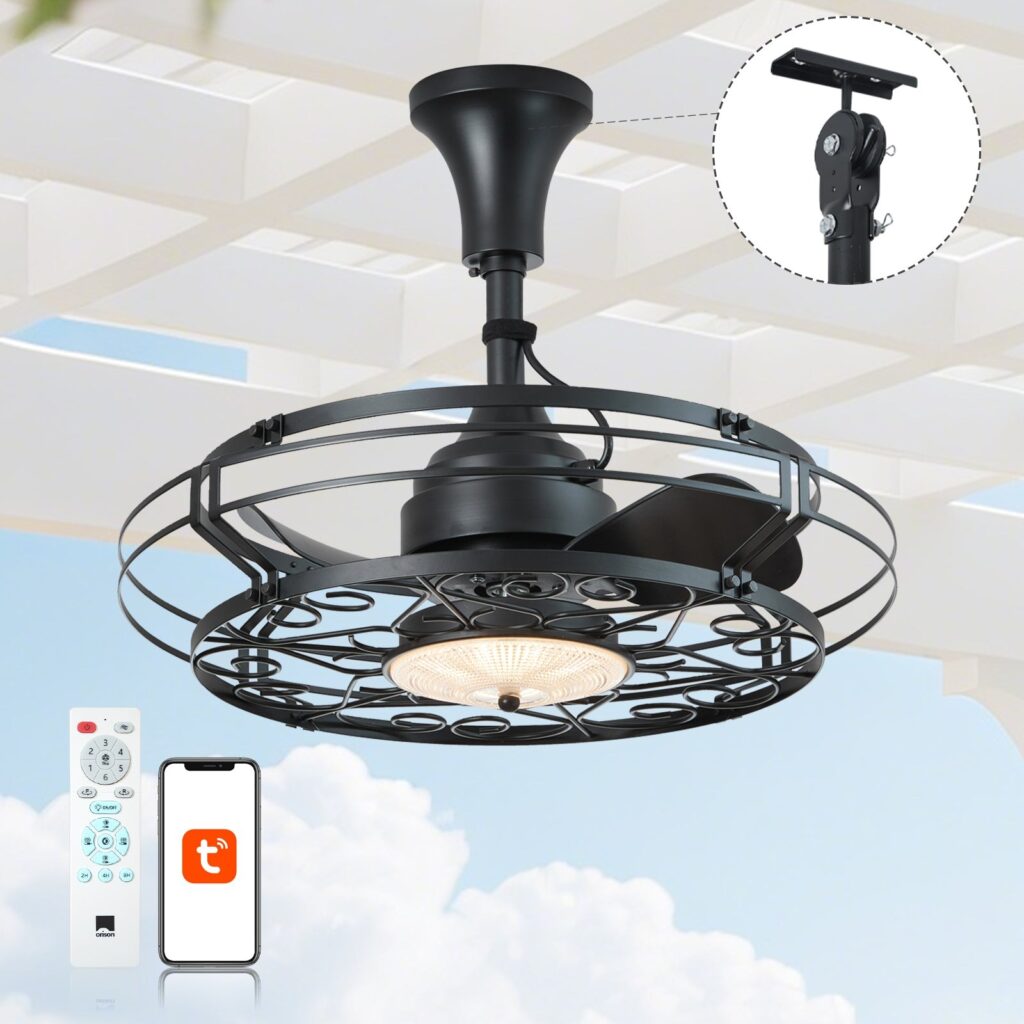
Comparative snapshot: what to demand from a supplier
When comparing models or factory-direct options, weigh these attributes: motor design (e.g., permanent-magnet vs. induction), bearing quality, blade balance procedures, and documented SPL at rated speed. Also ask for real-world anchors: references from installations in similar climates or events — coastal builds or storm-prone zones are good proof points. A supplier that supplies data from such installations demonstrates both competence and honesty.
Advisory close: three golden rules for choosing a quiet, durable outdoor fan
1) Insist on data: require dynamic balance and SPL reports tied to the specific model and blade set. 2) Verify environmental readiness: confirm genuine wet rating, sealed motor housing, and corrosion-resistant hardware. 3) Match the mount: test (or require) field verification on the actual mounting surface to confirm low vibration transfer and steady CFM. These rules guide you past marketing and straight to measurable outcomes.
For projects that need a quiet, resilient solution that scales from bespoke farmhouse styles to sturdy pergola installations, a factory-direct process that combines precision tooling, wet-rated design, and field-proven testing is the future — and it’s the practical choice today for fewer callbacks and more serene evenings. Orison. —
