
Introduction — a quick scene, some numbers, one question
I was at a small plant last month watching a line choke on a roll of nonwoven fabric — you know the kind of day where every minute feels loud. The wholesale wet wipe production line was humming, but throughput lagged and scrap kept rising. Companies I talk to report 12–18% downtime on average, and that gap eats margins fast. So what gives — and what can we actually fix without breaking the bank? (Hint: it’s rarely just the machine.)
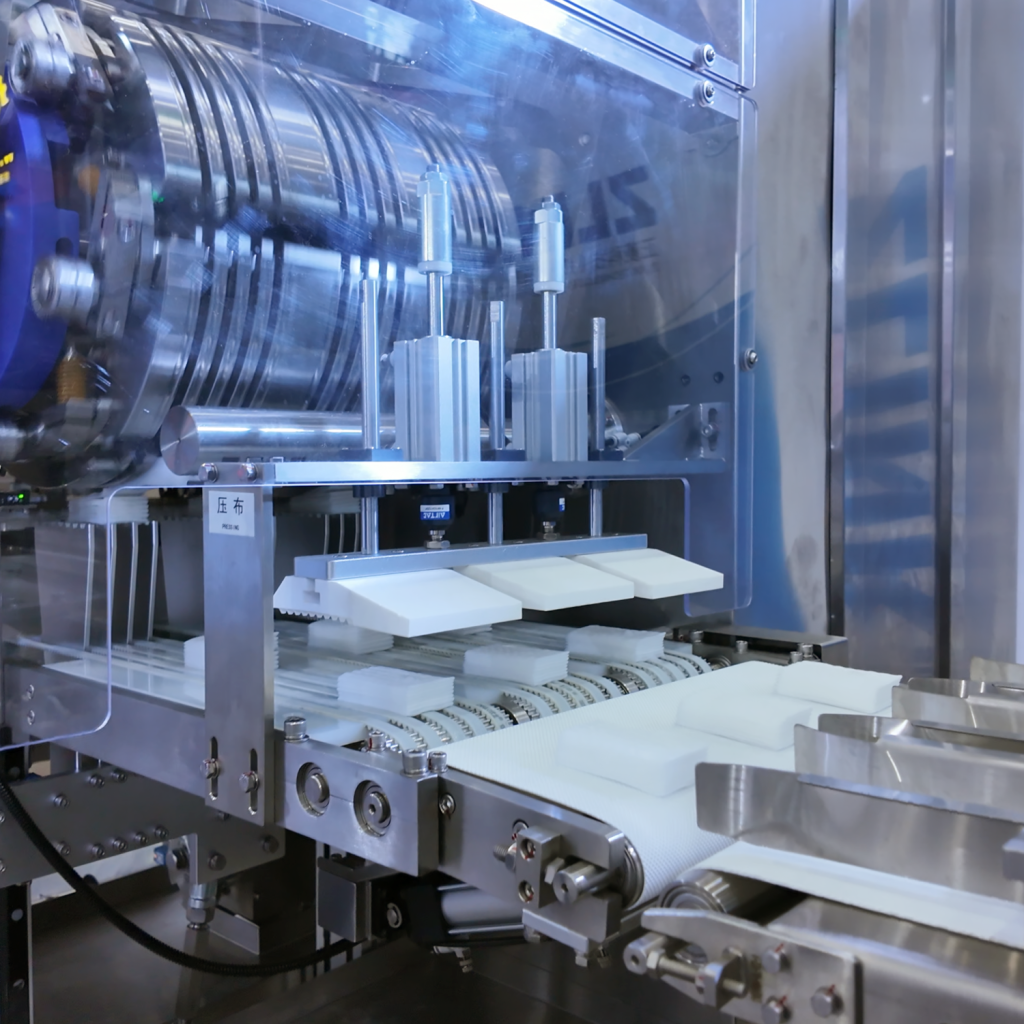
I write from hands-on visits and late-night calls with engineers. We talk about PLC controller tweaks, servo motor tuning, and better reel stand handling. I’ve seen cheap fixes stop a bottleneck in hours, and messy upgrades that cost months. My goal here is simple: help you spot the real problem, not just the symptom — then point to practical next steps. Ready to dive into the pain points and a smarter path forward?
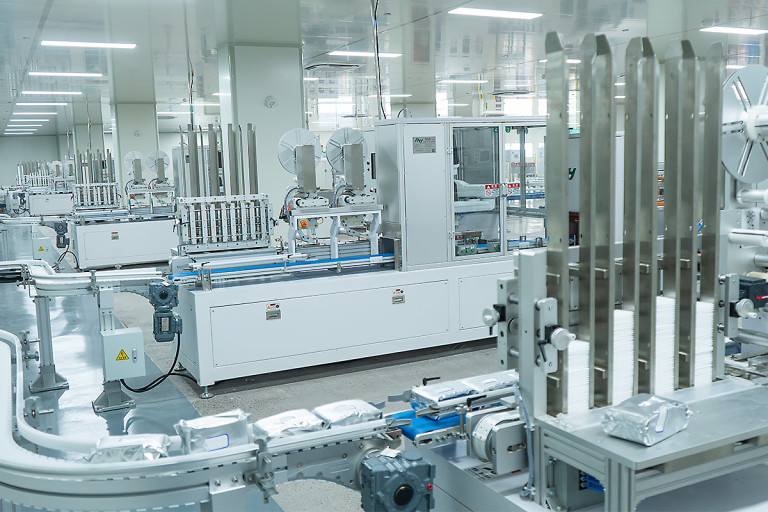
Unseen costs and real user pain around wet wipes machine price
Why does price keep hiding the true cost?
I often hear the question: wet wipes machine price — how low can I go? Let me be blunt. Low sticker price can mask big, recurring expenses. From my work with operators, two hidden pains show up again and again: frequent changeover delays and maintenance complexity. Those hurt capacity and morale. The technical side explains it: older designs push more work onto the operator and the maintenance team. Ultrasonic sealing can be fiddly. An embossing roller misaligned by a millimeter ruins quality. Add a cluttered HMI and you have longer MTTR (mean time to repair). Look, it’s simpler than you think — small design gaps scale up fast.
We’ve tracked line metrics: a mis-set slitting unit adds 3–5% scrap per shift. Sterilization tunnel hold-ups add another 2–4% in delay. Those numbers compound. I don’t just mean parts wear — I mean training gaps, spare parts logistics, and unclear fault codes. My recommendation? Start by measuring the real run-time and changeover times, not just uptime. That tells you whether the “wet wipes machine price” purchase will pay off in two months or two years — funny how that works, right?
Future outlook: smart upgrades and choosing what matters
What’s next for lines that need to scale?
Looking ahead, I favor practical tech that gives fast returns. Case example: a mid-size plant we worked with added simple edge computing nodes to log run rates and error codes. They paired data with modest servo motor and PLC controller tuning, which cut changeover by 20% and scrap by a similar margin. The upfront spend was visible (and yes, the wet wipes machine price mattered), but the payback landed inside a year. We used clear KPIs — run rate, scrap rate, and MTTR — and stuck to them. Small data. Big impact. — surprising how quickly teams buy into it.
So how should you evaluate options? Here are three metrics I use every time: 1) Effective throughput after realistic changeovers; 2) Spare-parts availability and mean repair time; 3) Usability of controls (how fast can an operator recover a fault?). Score suppliers against those. In my experience, the smartest buys balance decent hardware with clear service and simple software. We want solutions that work on the floor, not just in specs. If you want to talk specifics or walk through a checklist, reach out — I’ll share templates and lessons learned.
For straightforward, reliable systems and a partner that understands line realities, check teams like ZLINK.
