
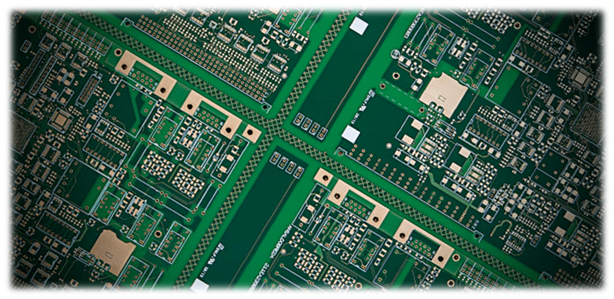
In the fast-moving world of electronics design and manufacturing, time is often the most critical resource. Companies are under constant pressure to innovate, test, and deliver reliable products faster than ever before. Printed circuit boards (PCBs), as the foundation of nearly all electronic devices, play a central role in this process. While traditional PCB fabrication methods remain suitable for many applications, there are specific situations where quick turn PCB prototyping services become the smarter and more strategic choice.
This article explores when and why organizations should consider quick turn PCB prototyping, the challenges it helps address, and the practical benefits it offers across different industries.
Understanding Quick Turn PCB Prototyping
Quick turn PCB prototyping refers to accelerated fabrication and assembly services designed to deliver functional PCB samples in a significantly reduced timeframe. Instead of waiting several weeks for standard production cycles, engineers can receive prototypes in days or even hours, depending on complexity.
These services are not simply about speed. They are structured to support iterative design, reduce development risk, and enable faster validation of electronic concepts. For startups, research teams, and established manufacturers alike, this approach can dramatically influence product success.
When Development Timelines Are Extremely Tight
One of the most common reasons to choose quick turn PCB prototyping services is a compressed development schedule. Product teams often face immovable deadlines tied to trade shows, investor demonstrations, customer pilots, or seasonal launches.
In such scenarios, waiting for conventional PCB fabrication can stall progress across multiple departments. Hardware engineers may be ready to test, software teams may be waiting to integrate firmware, and marketing may be planning around a working prototype. Quick turn services allow these parallel workflows to continue without costly delays.
When every day matters, accelerated prototyping ensures momentum is not lost.
During Early-Stage Product Validation
Early-stage prototypes are rarely perfect. Design flaws, component mismatches, and layout inefficiencies often become visible only after a physical board is tested. Quick turn PCB prototyping is particularly valuable during this phase because it enables rapid iteration.
Instead of spending weeks waiting for a single prototype revision, engineers can test, refine, and re-spin designs multiple times within a short period. This iterative feedback loop leads to stronger, more reliable designs before moving into mass production.
This approach is especially important when working with new technologies, unfamiliar components, or novel circuit architectures.
For Startups and Small Development Teams
Startups often operate with limited resources but aggressive innovation goals. Delays in hardware validation can quickly translate into missed funding opportunities or lost market relevance.
Quick turn PCB prototyping services allow startups to demonstrate tangible progress to investors and partners. A working prototype carries far more credibility than simulations or schematics alone. Additionally, rapid prototyping reduces the risk of investing heavily in tooling or production before design flaws are identified.
For small teams without large internal fabrication capabilities, these services provide access to professional-grade manufacturing without long-term commitments.
When Testing Market-Ready Features
As products approach commercialization, attention shifts from basic functionality to performance, durability, and compliance. Engineers may need to test advanced features, refine signal integrity, or validate thermal performance under real-world conditions.
At this stage, quick turn PCB prototyping allows teams to make targeted improvements without disrupting launch schedules. For example, modifying a power distribution network or optimizing high-speed traces can be validated quickly, ensuring the final product meets quality expectations.
This is also the point where Quick Turn PCB Prototypes are most valuable, as they bridge the gap between concept validation and production readiness.
Supporting Complex or High-Layer PCB Designs
Modern electronics increasingly rely on complex multilayer boards to achieve compact form factors and advanced functionality. High-layer-count PCBs require precise manufacturing and careful quality control, which traditionally increases lead times.
However, quick turn services have evolved to support these sophisticated designs without sacrificing accuracy. Engineers working on advanced applications—such as medical devices, telecommunications equipment, or industrial automation systems—can benefit from faster access to complex prototypes.
To explore examples of advanced PCB solutions and manufacturing capabilities, engineers often review specialized fabrication resources such as https://www.pcb-togo.com/ which provide insights into modern prototyping and production techniques.
When Supply Chain Uncertainty Is a Concern
Global supply chain disruptions have made planning more difficult for electronics manufacturers. Component shortages, shipping delays, and fluctuating lead times can all impact development schedules.
Quick turn PCB prototyping helps mitigate some of this uncertainty by allowing teams to adapt designs quickly. If a specific component becomes unavailable, engineers can redesign the board to accommodate alternatives and validate changes rapidly. This flexibility reduces downtime and helps maintain project continuity despite external challenges.
Preparing for Regulatory or Compliance Testing
Many industries require strict compliance testing before products can be released. These tests often reveal issues that require hardware changes, sometimes late in the development cycle.
Quick turn prototyping enables teams to respond quickly to test results, implement necessary design changes, and resubmit products for approval without significant delays. This is particularly important in regulated sectors such as healthcare, automotive, and aerospace, where time-to-certification can impact revenue and market entry.
Evaluating Advanced Finishes and Manufacturing Options
Surface finishes, materials, and fabrication techniques all influence PCB performance and reliability. During prototyping, engineers may want to compare different options to determine what works best for their application.
For instance, immersion gold finishes are often selected for high-reliability or fine-pitch designs. Accessing detailed specifications and examples can support better decision-making. Engineers seeking More Information on advanced multilayer prototypes and surface finishes can refer to specialized resources like to better understand available options.
Conclusion
Quick turn PCB prototyping services are not a replacement for standard production processes, but they are a powerful complement. They are best chosen when speed, flexibility, and early validation are critical to project success.
From startups racing to prove a concept to established manufacturers refining complex designs, these services enable faster learning, reduced risk, and better outcomes. By understanding when to use quick turn prototyping—and how to integrate it strategically into the development cycle—organizations can stay competitive in an increasingly demanding electronics landscape.
Ultimately, the decision comes down to balancing time, cost, and quality. When time is the limiting factor and design confidence is essential, quick turn PCB prototyping becomes not just an option, but a strategic advantage.
